


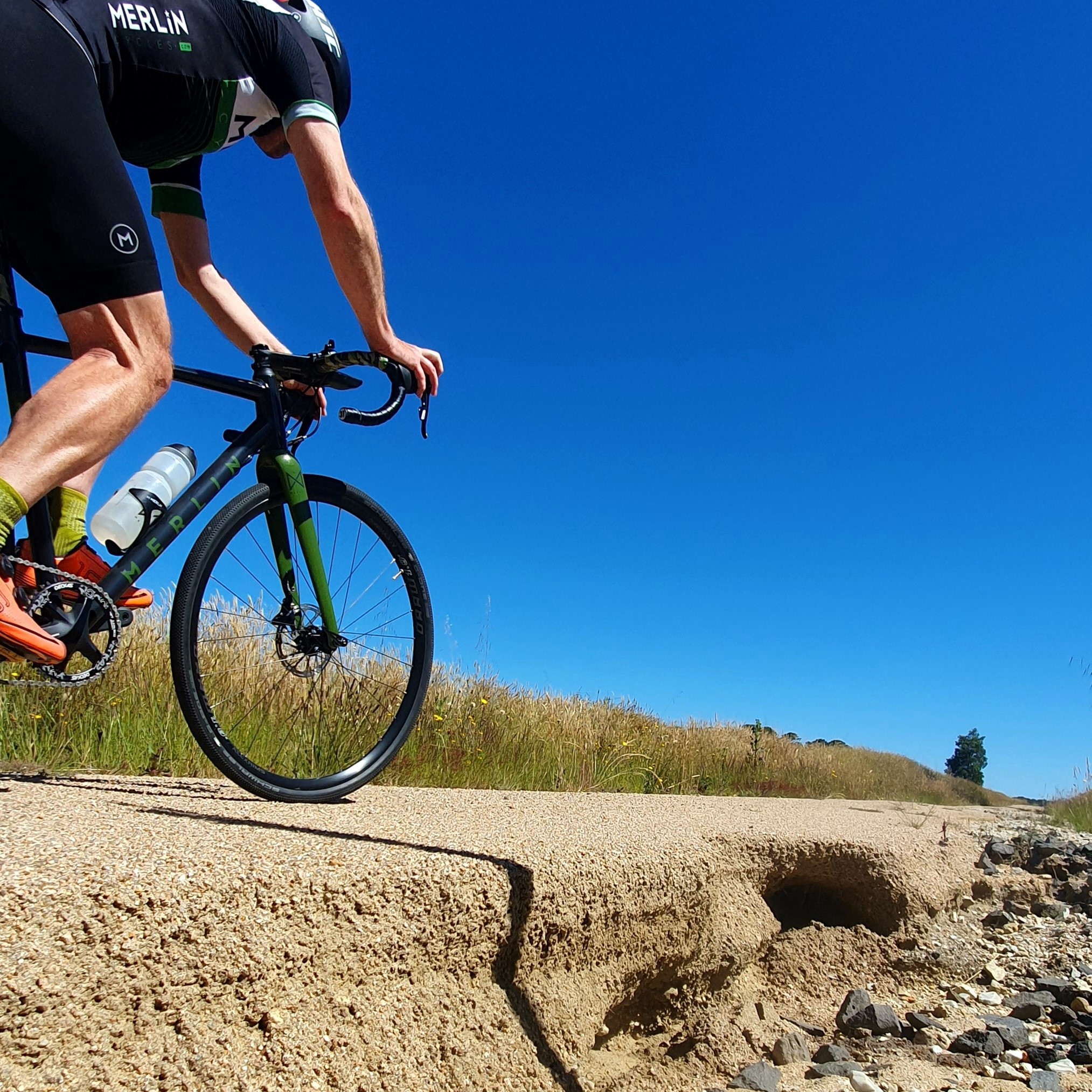
There are a whole lot of totally different tyres accessible for gravel driving. These differ in how they match the rim, their dimension (width & diameter) and tread sample. So what do you could think about once you purchase a gravel tyre?
Match
There are three various match varieties with gravel tyres; Clincher, Tubeless and Tubular. The kind of fit your needs want is determined by your bike’s rims, they’re both clincher or tubeless appropriate. Tubular tyres are much less widespread and excessive efficiency however are more durable to stay with as a day-today tyre.
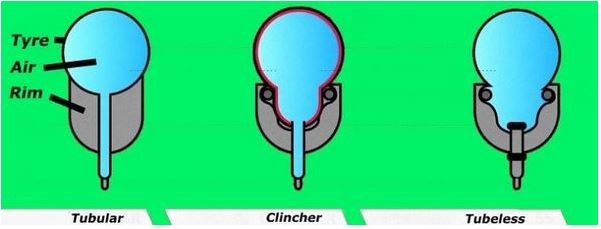
Clincher tyres use a wire or kevlar bead across the fringe of the tyre to hook onto the rim. Internal tubes maintain the air and may be repaired or changed within the occasion of a puncture. Clinchers developed to change into a viable various to tubulars on highway bikes within the early 1990’s, with tyres like Continental’s authentic Grand Prix (early model of the present GP5000). Most bikes come fitted with clincher tyres, they provide mixture of practicality and efficiency for many bike riders.
Tubeless tyres have a particular bead across the rim which hooks onto the (tubeless particular) rim extra solidly than clinchers and affords an air tight seal. This expertise banishes inner-tubes to the historical past elements bin, subsequent to toe clips & straps. Nevertheless, it requires tubeless appropriate wheels, particular valves, rim tapes and sealant to make a completely hermetic wheel and tyre. Tubeless tyres can seal their very own punctures, nevertheless they are often tough and time consuming to initially arrange.
Tubular tyres have historically supplied the final word efficiency. Tyres are glued onto the edges, providing a light-weight, excessive efficiency possibility. Tubular tyres have been the selection of racers on the high of highway racing for years. Nevertheless, the inside tubes which maintain the air are sewn into the tyre and are tougher to restore. Changing tubular tyres can take time and a good quantity of ability to connect the tyre so it’s seated correctly, throughout the wheel.
Measurement
Gravel bikes with disc brakes and through axles can use both 650b/ 27.5″ wheels or 700c. Smaller 650b/27.5″ wheels are lighter and extra manoeuvrable, (they’re possibility on smaller gravel bikes), 700c wheels roll alongside simpler and have a tendency to carry their momentum for longer, 700c is the dimensions that the majority gravel bikes are equipped with as commonplace. The dimensions of your bike’s present tyre will likely be printed or moulded into the sidewall of the tyre.
Width
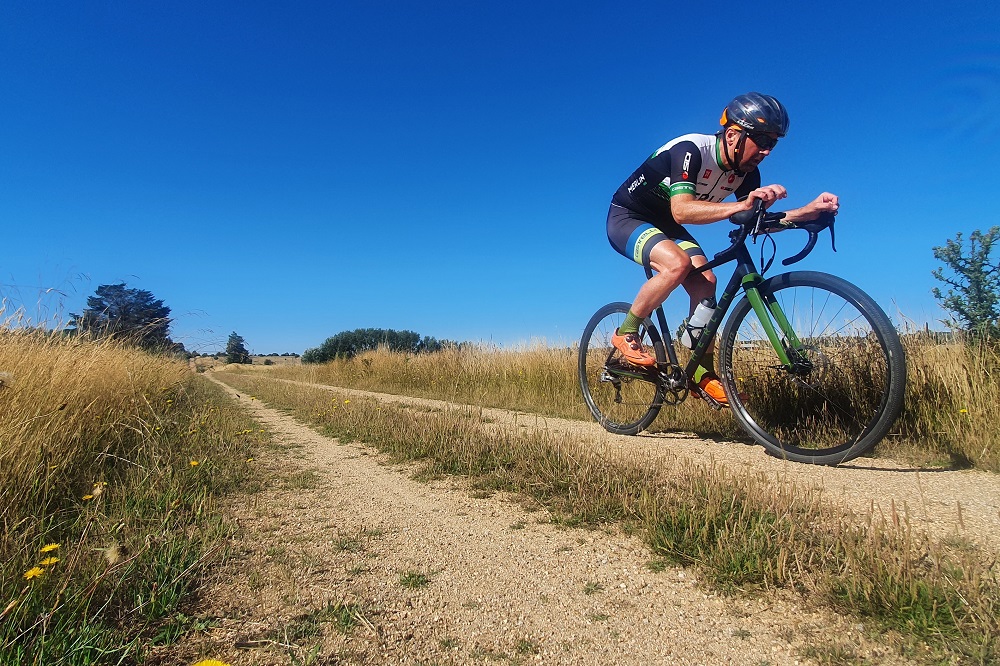
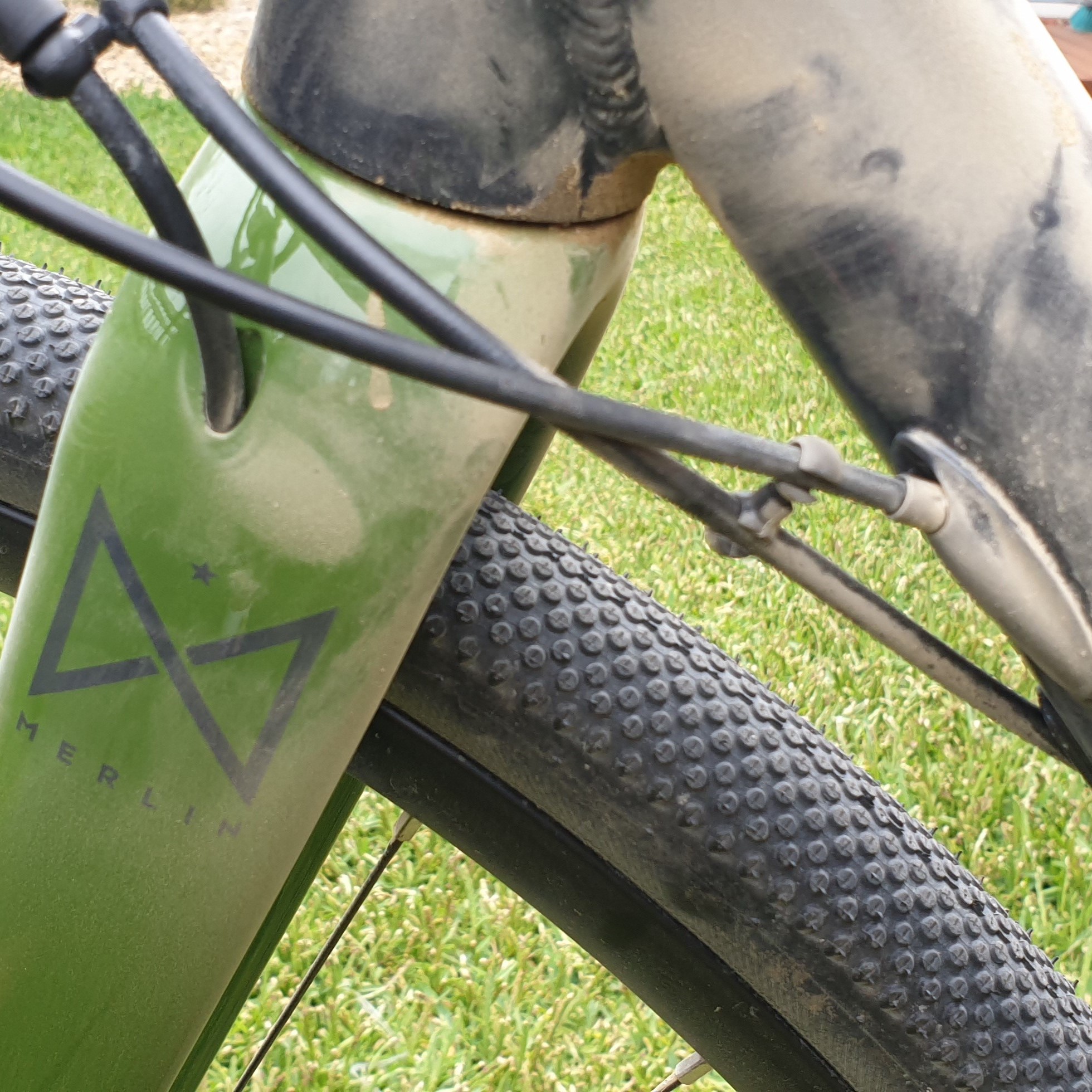
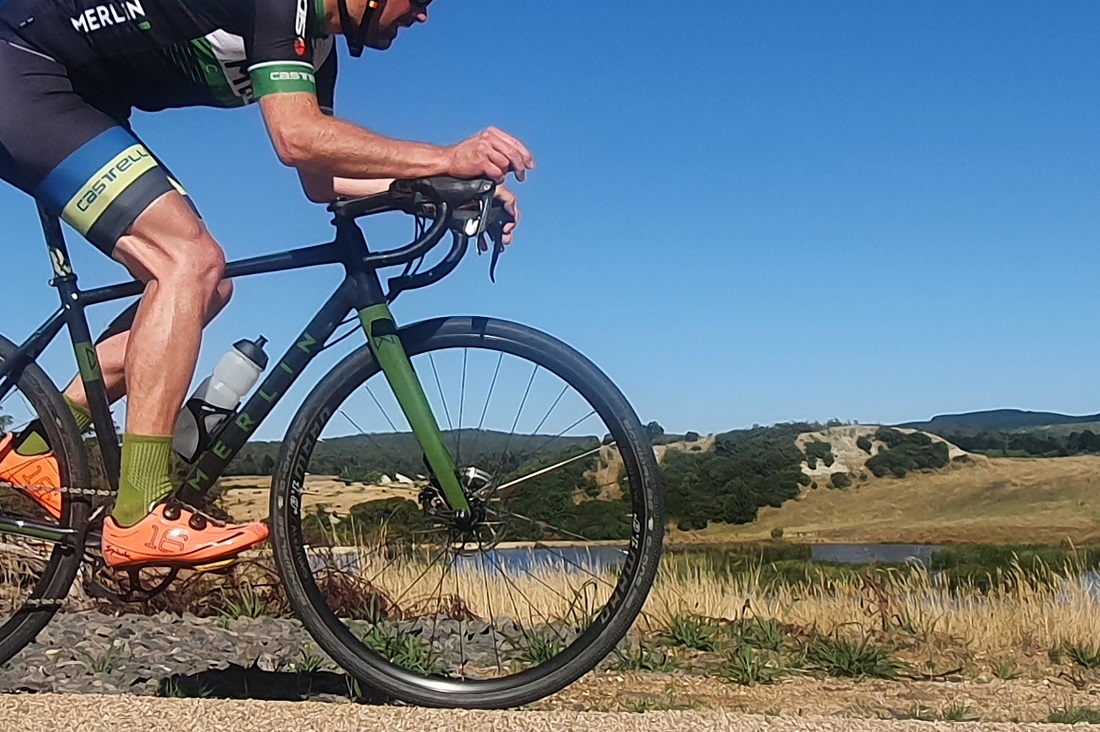
Wider tyres supply an even bigger contact patch with the bottom and supply a luxurious, comfier trip due to their larger quantity of air. Nevertheless, they’re heavier and may maintain a whole lot of mud / grime on the paths. As a result of they’re heavier, they will really feel a bit ‘tractor-ish’ and may be overkill on smoother gravel and roads. Narrower tyres supply much less contact patch grip than a wider tyre on the similar stress, however can transmit vibrations and jolts over rougher terrain. Nevertheless, narrower tyres weigh much less and really feel extra highway bike-like. So the best width to your bike’s tyres is determined by the terrain you trip. I’m at present driving 35mm Schwalbe G One’s on the principally dry, positive grade gravel which I normally trip.
Gravel Tyre Tread
Probably the most seen a part of the tyre, the place your bike makes contact with the bottom, wants a little bit of occupied with. The very best place to start out, is to consider the terrain which you’re driving. Gravel bikes get used on all sorts of surfaces, from roads to positive compact gravel to filthy, muddy mountain bike trails.
Easy Dry Gravel
Usually, extra tightly packed / positive small knob (SK) tyre or extra highway like tread is healthier for sooner, smoother, on and off-road surfaces – tyres such because the Schwalbe G One collection (beneath) are nice for this sort of driving.
Combined Terrain
Intermediate tyres supply a mixture of positive tread / small knob centre bands with extra spaced aggressive sides for cornering and climbing traction. These tyres supply middle-ground possibility between fast-rolling on easy roads and gravel, in addition to grip for climbing and cornering on different terrain.
Free / Muddy Terrain
Bigger, extra spaced out, ‘open-tread’ knobs are higher for gripping rougher, free gravel and dirt. The Maxxis Ravager SS tyre (beneath) is an effective instance of a extra open-tread tyre. Extra space between knobs permits mud to fall out and tyres stay grippy on softer floor.
Gravel Tyre Stress
It’s not fairly so simple as simply getting the tyre for the terrain you trip. Tyre stress may also have an enormous impact on how your bike tyres carry out, particularly off-road. The best stress to your tyres is determined by plenty of variables (together with your weight, climate, terrain and sort of tyre).
Tip: If you’re uncertain what pressures you ought to be driving, examine the sidewall of your tyre for the advisable stress vary. If you’re heavier than common, go for the higher finish of the vary, in case you are lighter, go for the decrease finish of the vary – you possibly can all the time experiment driving greater or decrease pressures in your common trails.
Pinch Flat Punctures
Driving with softer tyre pressures will increase the chance of pinch flat punctures with clincher tyress fitted with a tube. One of many large advantages of tubeless tyres is that they’re higher at operating decrease pressures and never puncturing. TPU inside tubes appear more durable to pierce and are extra proof against pinch flat punctures, though I haven’t dared to run them as mushy as tubeless.
Gravel Tyre Care
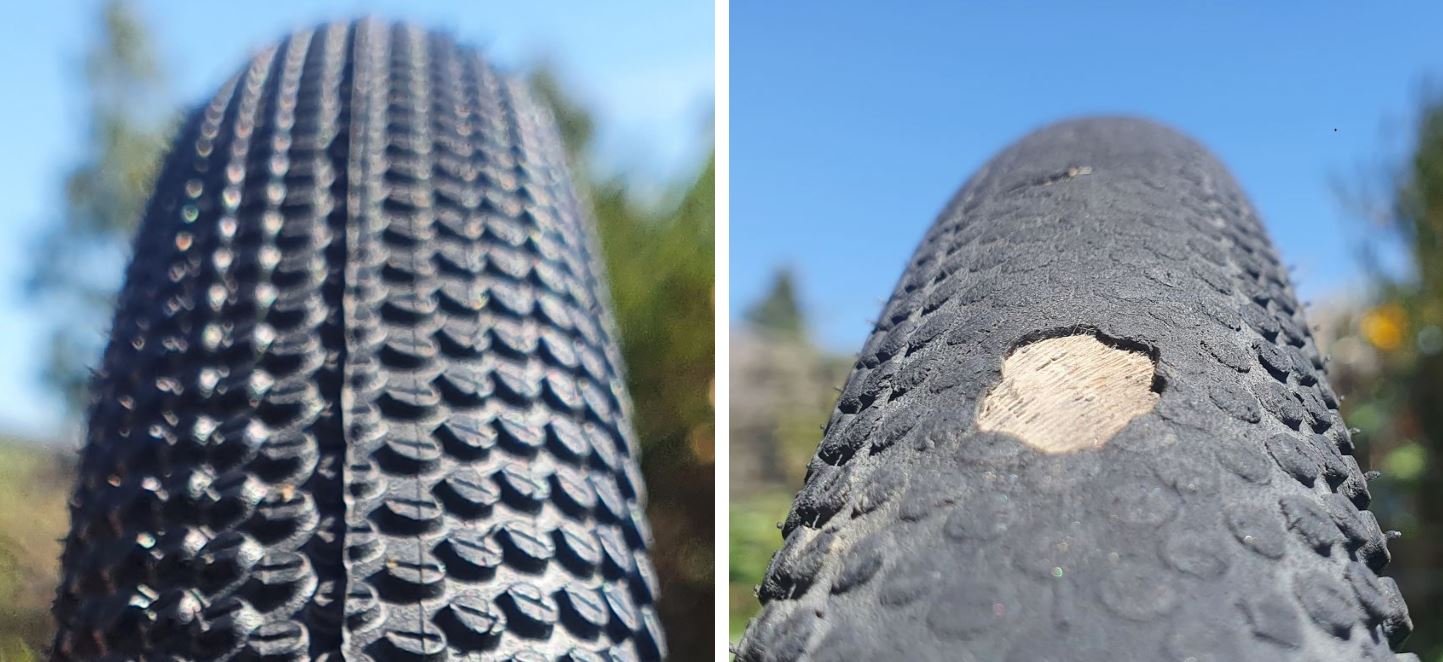
Take care of your tyres and they’re going to take care of you! Properly, one thing like that. If you’re driving tubeless tyres, preserve them topped up with sealant and examine your pressures every so often to see in the event that they’ve misplaced any air. My rear tubeless Schwalbe tyre, beneath, lasted for 8500 kilometres of gravel driving and didn’t let me down as soon as – my longest stretch of puncture free driving ever. (I don’t counsel you trip your tyres till the casing turns into seen).
Take a look at our full vary (84) Gravel Bike and Cyclocross tyres right here
Time to go Tubeless? Take a look at our tubeless gravel tyres and equipment right here.

